
DATES02–06 APRIL

Preparing the 2027 edition


FIRST EDITION EVENT
2 - 6 APRIL 2027
BRAINSBiometRics & Artificial INtelligence Spring School
Secure Identity & Liveness Detection in the Age of AI
A 5-day intensive educational program bringing together graduate students, early-career researchers, academics, and industry professionals from Africa and beyond to explore AI-driven biometrics, liveness detection, anti-spoofing, and secure digital identity.
Core Biometric Modalities Fingerprint
 Face
 Iris
 Palmprint
 Gait
FingerprintFaceIrisPalmprintGaitWhy this Spring School?
The Africa Spring School on AI & Biometrics brings together emerging researchers, graduate students, and industry engineers to explore cutting-edge computer vision, pattern recognition, and trustworthy identity technologies.
As digital identity, mobile banking, and e-government platforms expand rapidly across Africa, biometric systems face unprecedented challenges from presentation attacks, deepfakes, and spoofing.
The Africa Spring School bridges this gap by offering intensive hands-on practical sessions, foundational theory, and direct mentorship from world-renowned researchers and industry pioneers.
Hands-on AI Labs
Global Mentorship
Liveness & Security
What will you learn?
01
AI & Foundation Models
Explore foundation models, multimodal AI, generative AI, and their application to biometric recognition and computer vision.
02
Biometric Recognition
Study major biometric modalities including face, fingerprint, iris, palmprint, gait, and multimodal recognition.
03
Liveness Detection & Anti-Spoofing
Understand presentation attacks, biometric presentation attack detection, spoofing threats, deepfakes, and emerging attacks against biometric systems.
04
Trustworthy Biometrics
Address security, fairness, inclusivity, data quality, and trustworthy design for biometric systems, with particular attention to African contexts.
05
Explainable & Generative AI
Explore explainable AI and generative AI techniques relevant to computer vision and biometric applications.
06
Hands-on AI & Biometrics
Implement and evaluate AI-based biometric pipelines using real datasets and modern deep-learning techniques.
Learning Experience
Expert Lectures
Learn from leading international researchers and experts in AI, biometrics, liveness detection, and secure identity.
Audience & Objectives
For the Next Generation of Identity Experts
Who Should Attend
Master’s and PhD students in computer science, AI, cybersecurity, electrical engineering, and related fieldsEarly-career researchersUniversity academicsResearchers and practitioners in AI and computer visionBiometrics and digital identity professionalsCybersecurity professionalsIndustry professionals working on secure AI and identity systems
Learning Outcomes
01
Understand and explain core biometric modalities and modern biometric recognition systems.
02
Implement and evaluate liveness detection algorithms to counter presentation attacks.
03
Apply foundation models and multimodal AI to biometric recognition tasks.
04
Use generative AI tools in computer vision workflows relevant to biometrics.
05
Design and assess biometric systems with awareness of security, fairness, and inclusivity considerations for African contexts.
06
Connect with an international network of biometrics researchers and industry professionals to support ongoing learning and collaboration.
Program at a Glance
The detailed five-day program is to be finalized.
The final day-by-day schedule is not yet confirmed.
Foundations
AI, biometrics, and trusted digital identity
Biometric Recognition
Face, fingerprint, iris, palmprint, gait, and multimodal biometrics
Liveness & Security
Presentation attacks, anti-spoofing, deepfakes, and biometric security
AI for Biometrics
Foundation models, generative AI, explainable AI, and practical applications
Collaboration & Innovation
Hands-on activities, industry interaction and networking
Live schedule
Week at a glance
International Speakers & Experts
Leading researchers and practitioners from Africa and around the world will contribute to lectures, workshops, discussions, and industry-oriented sessions.

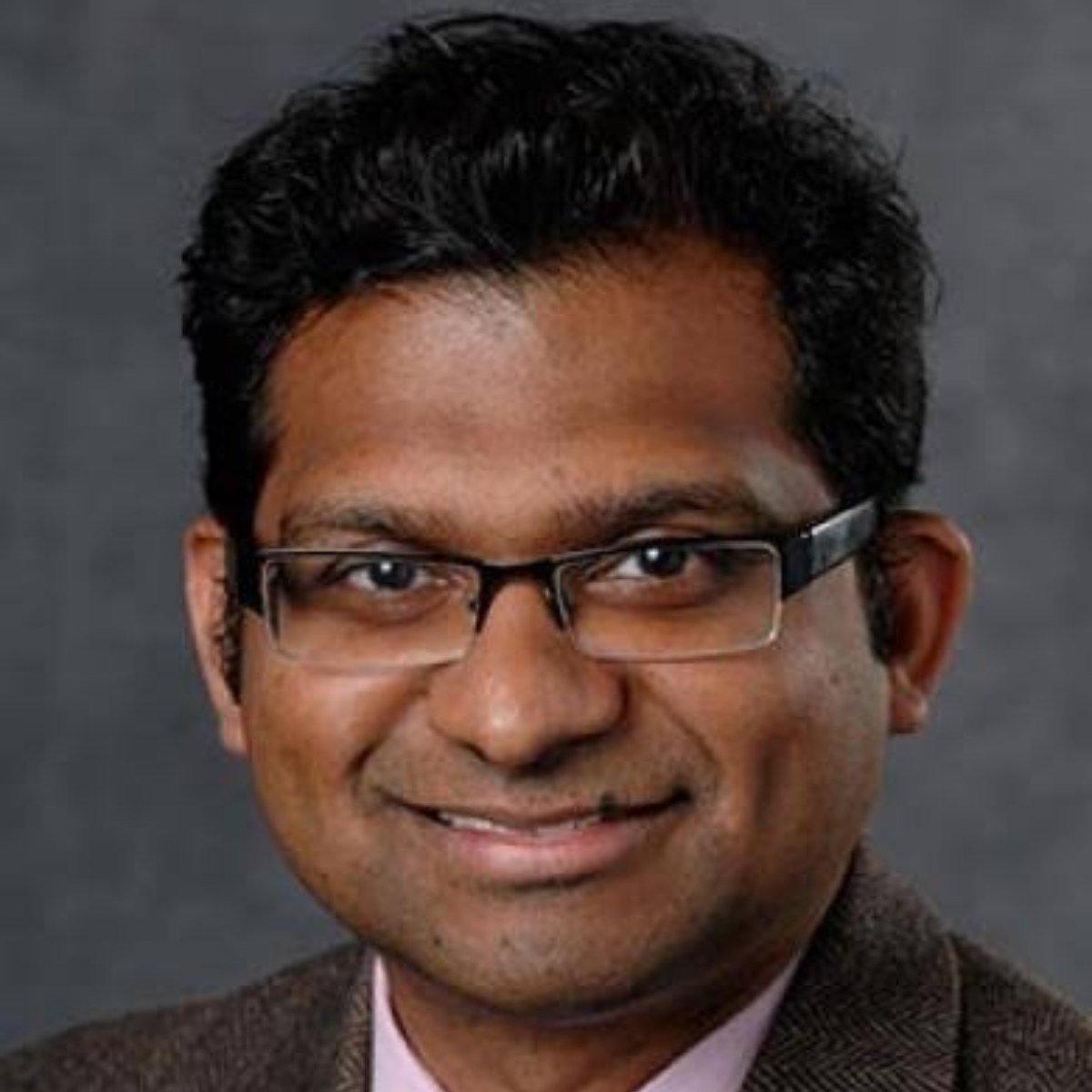






Event Committee
International organizing committee, technical program chairs, and advisory board for the 2027 edition.
CRNS - SMARTS Lab
IEEE Tunisia Section
Advisory Committee
Program Director
Hosted by

Technically co-sponsored by


Funded by
Partners


Registration & Practical Info
Application deadline
December 15, 2026
Dates
April 02, 2027 to April 06, 2027
Accommodation
To be confirmed
Travel / visa information
To be added
Certificate
To be confirmed
Important Dates
| 15 December 2026 | Application Submission Deadline |
|---|---|
| 31 December 2026 | Acceptance Notification |
| 16 January 2027 | Call for Grants Announcement |
| 22 January 2027 | Grant Application Deadline |
| 31 January 2027 | Grant Decision Notification |
| 20 February 2027 | Registration Fee payment deadline |
| 14 March 2027 | Poster Submission Deadline |
| 2–6 April 2027 | BRAINS 2027 Spring School |
Registration fee
Registration fees (Standard Rate – Until February 20, 2027)
| Participant Category | Registration Fee (USD) |
|---|---|
| Students and Postdoctoral Researchers: IEEE/IAPR members or nationals of African countries | $100.00 |
| Students and Postdoctoral Researchers: Other international applicants | $200.00 |
| Academic Researchers: IEEE/IAPR members or nationals of African countries | $200.00 |
| Academic Researchers: Other international applicants | $300.00 |
| Professional / Industry: International applicants | $400.00 |
| Professional / Industry: Tunisian applicants | $250.00 |
- Registration fees vary according to the participant category and eligibility for reduced rates.
- Note: All bank transfer fees and transaction charges must be borne by the participant.
Getting to the Spring School
The Spring School will be hosted at the Digital Research Center of Sfax (CRNS), located within the Sfax Digital Technopark. Choose your arrival airport to see the recommended route to the venue.
Select arrival airport
FromSfax-Thyna Airport
20 km • 30 min drive
ToCRNS Sfax